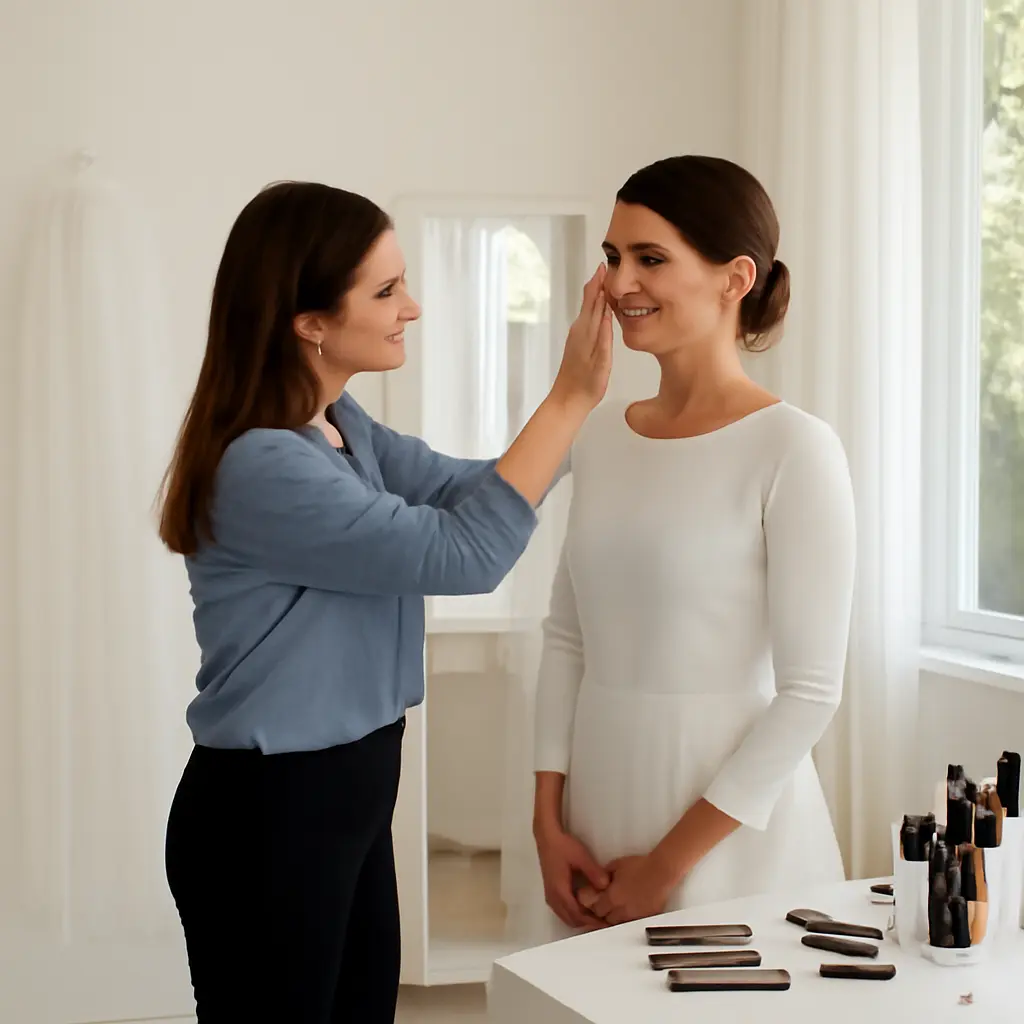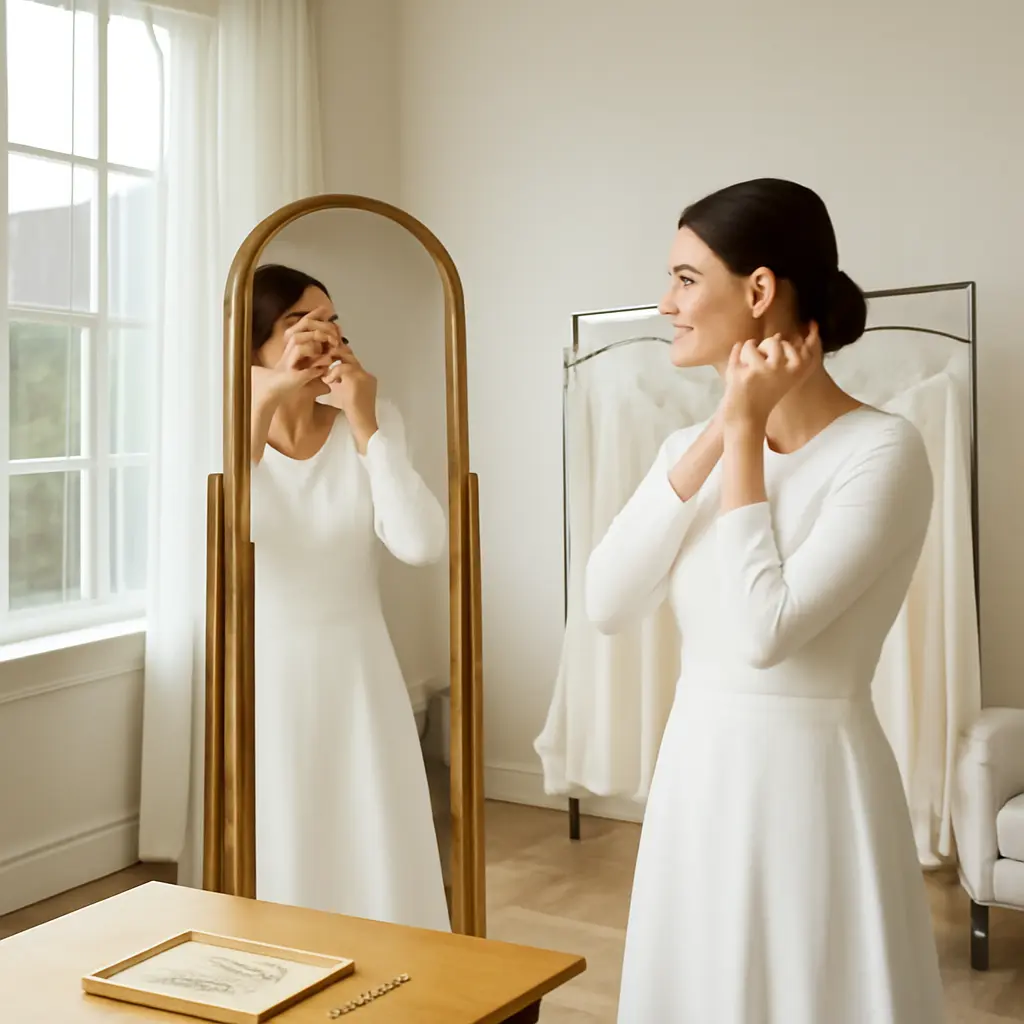
Bridal jewelry can look overdressed when its scale, sparkle, or number of pieces competes with the gown, hairstyle, or overall formality of the wedding. The American Gem Society describes a gemstone’s “four Cs”—color, clarity, cut, and carat weight—as factors that shape its appearance, while bridal stylists commonly advise balancing jewelry with a dress’s neckline and embellishment. There is no universal “right” amount: perceived excess depends on proportion, visual focus, cultural tradition, and personal taste. Understanding those factors can help brides choose jewelry that feels intentional, whether they prefer a single statement piece, a coordinated set, or heirloom adornments.
Bridal Jewelry Proportion Explains Why Some Looks Feel Overdressed
Bridal jewelry proportion is the relationship between an accessory’s size and visual weight and the wearer, outfit, occasion, and other accessories. It is not a fixed measurement or a rule that more jewelry is automatically excessive. A large necklace may look harmonious with a simple strapless gown, for example, but crowded alongside a heavily beaded bodice and dramatic earrings. The key question is whether each piece supports the intended look or competes for attention.
This matters because jewelry is seen alongside several other focal points—such as the dress, bouquet, veil, and hairstyle—and wedding photographs preserve those choices. The Knot’s annual Real Weddings Study tracks wedding spending and planning habits, including attire and accessories, but no single national statistic can define how much jewelry looks “overdressed.” The judgment is aesthetic and context-dependent, so practical checks—trying the full look together, viewing it from a few feet away, and taking photographs—are more useful than counting pieces alone.
Visual balance between jewelry and gown
Visual balance means distributing attention rather than stacking every striking detail in one area. The neckline guides the choice: a high neckline often leaves little room for a necklace, while an open neckline may accommodate one. A dress with extensive lace, crystals, or embroidery already has strong visual texture; simpler jewelry can provide contrast. Conversely, a minimalist dress can give a substantial necklace or earrings room to stand out.
This is a styling principle, not a scientifically established formula. To test it, put on the gown and intended veil, then add accessories one at a time. If the necklace, earrings, and dress all draw the eye equally, remove or reduce one focal element. A full-length mirror and a photograph taken in ordinary lighting can reveal crowding that is easy to miss when looking closely at individual pieces.
Scale, sparkle, and visual weight
Scale describes an accessory’s apparent size; visual weight describes how much attention it attracts. Large stones, dense clusters, high-contrast colors, reflective surfaces, and intricate designs can all increase visual weight, even when a piece is physically light. Two modest pieces may therefore feel more prominent together than one larger but simpler design.
The Gemological Institute of America explains that a diamond’s appearance depends on more than carat weight: cut, color, and clarity also affect how it looks. In practical terms, a well-cut stone can return more light and appear especially lively, while a cluster setting can create a broad, bright surface. Brides who want a restrained look can choose fewer reflective surfaces or balance a sparkling accessory with a quieter one.
Jewelry Combinations Shape Whether a Bridal Look Feels Excessive
Bridal jewelry combinations are groups of accessories worn together, commonly including earrings, necklaces, bracelets, rings, and hair ornaments. A set can look coordinated without every piece matching exactly; the important considerations are shared design cues, proportion, and the dress’s existing details. Different combinations create different degrees of emphasis, from one focal accessory to a deliberately ornate ensemble.
The transition from proportion to combination is straightforward: once a bride knows which piece should lead, the remaining accessories can support it. The following categories are useful for planning, rather than strict labels for what is acceptable.
Statement-piece styling
Statement-piece styling gives one accessory the leading role—often bold earrings, a necklace, or a headpiece—while keeping nearby details comparatively quiet. It works particularly well when the gown is simple or when the chosen accessory has personal meaning. For instance, ornate earrings can be the focal point with an open neckline and no necklace.
A statement piece can still feel overloaded if it competes with a decorated neckline, a dramatic veil, and a prominent hair accessory. A useful check is to identify the first thing someone should notice. If there are several equally strong answers, simplifying one area may make the whole look more deliberate.
Coordinated sets and layered pieces
A coordinated set uses related materials, motifs, or finishes across multiple accessories. Layering combines pieces—such as several necklaces or bracelets—to create a more detailed effect. Matching sets can look polished, but identical scale and ornament from head to wrist may make the ensemble feel formal or visually dense. Layered pieces can also tangle, shift, or become uncomfortable during a long event.
To keep a coordinated look from becoming crowded, vary the scale or let one piece remain visually quiet. For example, pair substantial earrings with a fine chain rather than another oversized ornament. Before the wedding, wear the pieces together for a short trial and check that clasps, lengths, and movement work with the dress and hairstyle.
Heirlooms and culturally significant adornment
Heirlooms and traditional adornments may carry family, religious, or cultural meaning that matters more than minimalist styling. In many wedding traditions, multiple pieces of jewelry are integral to ceremonial dress rather than optional decoration. Calling such a look “overdressed” without understanding its context can impose one fashion standard on a different cultural practice.
A more useful approach is to ask what the pieces signify and how the full ensemble is intended to look. If comfort or visual balance is a concern, discuss adjustments with family members, a stylist, or the person responsible for the ceremony’s attire. The goal is to preserve meaning while ensuring pieces are secure and wearable—not to remove adornment simply because it differs from a pared-back bridal aesthetic.
Dress Details, Occasion, and Practicality Define Bridal Jewelry Choices
Whether jewelry seems appropriate depends not only on the accessories themselves but also on the gown, event setting, and practical demands of the day. A dramatic ballroom wedding may comfortably support more sparkle than a casual garden ceremony, although personal style can override conventional expectations. The aim is cohesion: jewelry should make sense with the outfit and occasion without requiring the bride to sacrifice comfort or meaning.
Neckline, fabric, and embellishment
A neckline determines the visible space where a necklace sits, while fabric and embellishment affect how much additional texture the look can carry. A V-neck often pairs naturally with a pendant or a necklace that follows its shape. A high neckline may be better balanced by earrings or a bracelet. A beaded bodice, lace collar, or heavily embroidered gown may already supply enough detail near the face.
These are adaptable styling suggestions, not universal rules. Necklaces can catch on delicate lace, and long earrings may become entangled in a veil or hair. Try the full outfit—including undergarments and veil—before settling on accessories so the fit and movement can be assessed together.
Ceremony setting and personal style
Setting affects expectations: a black-tie celebration may invite formal, high-impact jewelry, while an intimate daytime ceremony may call for lighter pieces. But dress codes are broad guides, not commands. A bride who regularly wears bold accessories may feel more authentic in them than in a conventionally delicate set; another may prefer jewelry that barely registers.
The most reliable test is whether the jewelry feels like an extension of the wearer’s style and suits the event’s atmosphere. Asking trusted people for feedback can help, but their advice should be specific—such as whether a necklace competes with the neckline—rather than a vague judgment that the look is “too much.”
Comfort, security, and the wedding-day schedule
Practicality is part of good styling. Heavy earrings can become uncomfortable, loose settings may create a risk of loss, and bracelets can interfere with sleeves or hand movements. The U.S. Consumer Product Safety Commission’s jewelry-safety guidance emphasizes the importance of considering hazards such as small parts for children; for adult bridal wear, the more immediate concerns are secure fastenings, skin sensitivity, and safe handling of valuable pieces.
Wear the chosen jewelry during a trial run, including while sitting, dancing, and moving as you expect to at the ceremony. Check that earrings do not pull, necklaces stay in place, and bracelets do not snag the gown. If an heirloom is too delicate for a full day, consider wearing it for the ceremony and changing into a sturdier piece for the reception.
A Simple Method for Choosing Balanced Bridal Jewelry
A short fitting process can turn the idea of “overdressed” into concrete decisions. Rather than buying a complete set automatically, begin with the gown and identify the look’s main focal point. Add other pieces only when they improve the balance, serve a personal purpose, or complete a culturally significant ensemble.
- Put on the gown, veil, and hairstyle before choosing jewelry.
- Choose one focal area, such as the face, neckline, or hands.
- Add accessories one at a time and pause to assess the full silhouette.
- Take photographs in both natural and indoor light to compare sparkle and scale.
- Move, sit, and dance in the pieces to check comfort and security.
- Keep meaningful adornments; adjust neighboring pieces only if the overall look feels crowded or impractical.
A useful visual guide is a three-column chart: “dress details,” “chosen focal accessory,” and “supporting accessories.” For example, a beaded bodice might pair with simple earrings and no necklace; a plain strapless gown might support a substantial necklace with understated studs. These examples are starting points, not prescriptions.
Conclusion: Bridal Jewelry Looks Best When It Feels Intentional
Brides may look overdressed in jewelry when accessories compete with the gown, accumulate too many focal points, or feel out of step with the event—but judgments vary by culture, tradition, and personal taste. Proportion, scale, sparkle, combinations, dress details, comfort, and meaning all shape the result. A coordinated set is not automatically excessive, and a richly adorned look is not inherently wrong.
Choose jewelry by trying it with the complete outfit, deciding what should lead visually, and checking how it looks and feels in motion. For further guidance, consult a trusted bridal stylist or jeweler, especially when selecting heirlooms or valuable pieces. The best final look is one that feels comfortable, considered, and recognizably yours.
Sources: American Gem Society, The 4Cs of Diamond Quality, https://www.americangemsociety.org/ags-diamond-quality-documents/the-4cs-of-diamond-quality/; Gemological Institute of America, The 4Cs of Diamond Quality, https://www.gia.edu/diamond-quality-factor; The Knot, Real Weddings Study, https://www.theknot.com/content/real-weddings-study; U.S. Consumer Product Safety Commission, Jewelry Safety, https://www.cpsc.gov/Safety-Education/Safety-Education-Centers/Jewelry-Safety